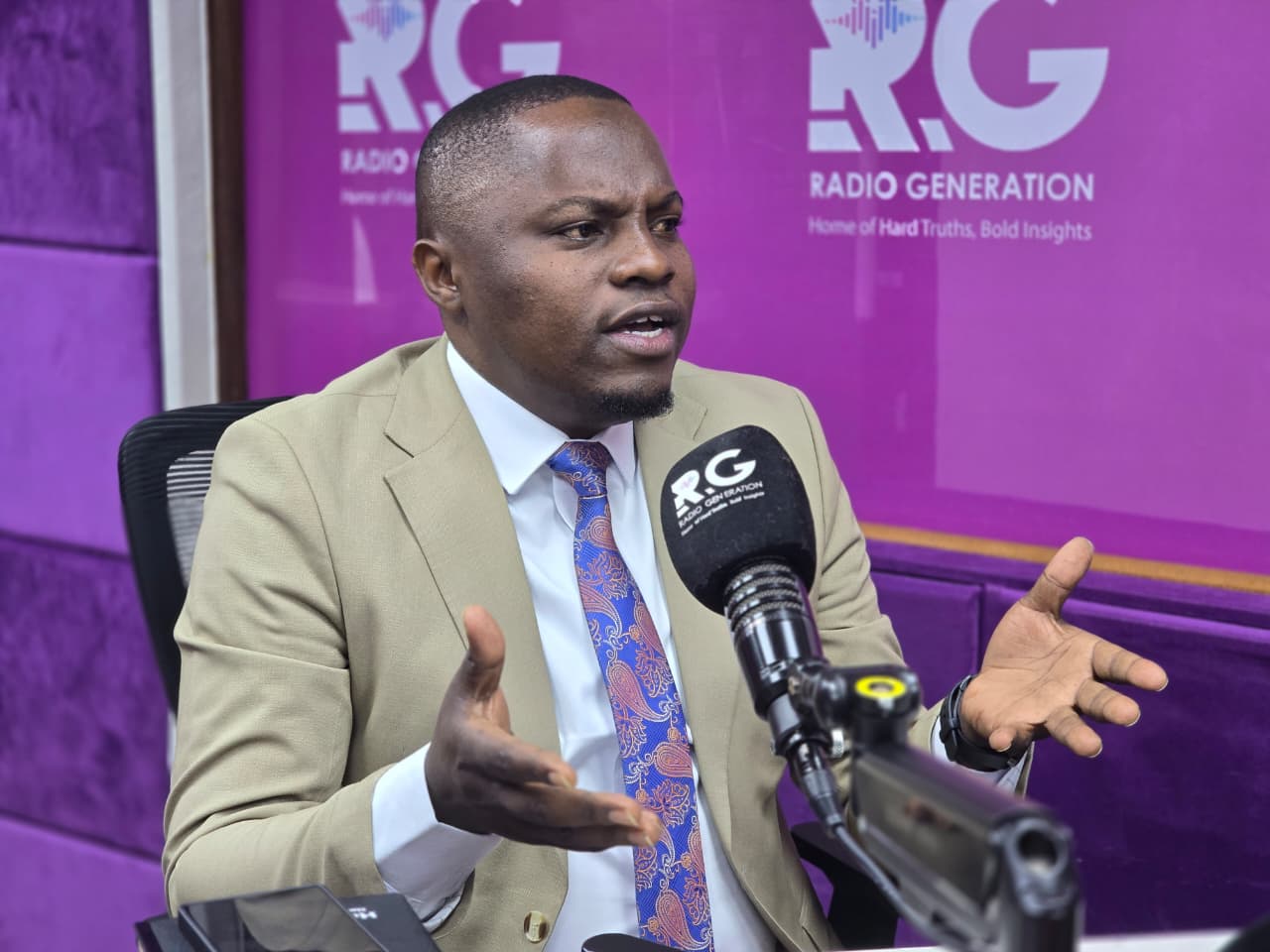
Kenya has established a national system for public health, but challenges in staffing and community engagement continue to undermine its impact. Brown Ashira Olaly, Secretary General and CEO of KEH&PHPU, said the existing structures are managed largely by doctors focused on clinical care rather than public health, leaving key functions under-served.
"We have a National Public Health Institute…70% of those functions are supposed to be public health oriented, but they are actually being manned by doctors," Ashira explained.
He noted that the Ministry of Health has set up a hierarchical framework, from the Principal Secretary for Public Health to the State Department of Public Health and Professional Standards, which oversees directorates down to the counties.
"Some counties have a Directorate of Environmental Health, others a Directorate of Public Health. The goal is to have a public health officer leading the directorate, following the professional standards set by our council," Ashira said.
At the grassroots, public health relies on Community Health Promoters (CHPs) who link households to healthcare services, provide sanitation education, and support disease prevention. Each CHP is expected to serve roughly 100 households.
"The CHPs link the community or the household to the healthcare facility…they work together with public health officers and assistants," he said.
Ashira highlighted persistent challenges with funding and employment terms for CHPs. "Even the 2500 being donated by the national government is not enough.
They need permanent and pensionable terms to be able to effectively discharge their duties," he said.
He added that these officers play a critical role in educating families about malaria prevention, newborn care, and treatment adherence for diseases like tuberculosis.
He also clarified that community health promoters are different from public health officers, a distinction sometimes misunderstood. "Community health promoters are not public health officers…we work with them, supervise them, and provide necessary tools to perform their work," Ashira said, praising government efforts to equip and incentivize the workforce.
On December 10, 2025, it was announced that Community Health Promoters (CHPs) across Kenya are set for a major breakthrough after the National and County Governments Coordinating Summit plans to place them on permanent and pensionable terms.
This would mark the biggest employment reform for CHPs since they were formalized in 2023, ending decades of volunteer work and short-term stipends.
The Ministry of Health, the Public Service Commission, the Council of Governors, and the National Treasury will now develop a clear framework to guide the transition.
The decision was reached during the 12th National and County Governments Coordinating Summit held at State House, Nairobi.
“The move recognizes the essential role CHPs play in keeping communities healthy from monitoring pregnancies to supporting immunization, treating minor illnesses, and linking households to health facilities,” President William Ruto, who chaired the summit, said.
For years, CHPs worked as volunteers with little or no pay. Although the government began paying stipends and providing digital kits and insurance from 2023, many still lacked job security.
The Summit also reaffirmed that all CHP stipends must be paid on time and that the workers will continue to be covered under the Social Health Authority’s insurance scheme.
Both levels of government will co-finance the insurance at Sh330 each per CHP.




























Comments
Sign in with Google to comment, reply, and like comments.
Continue with Google